Magnolia Cora: Where Brushstrokes Meet Brand Identity
There is a specific kind of tension in design work that many professionals know well. You need a typeface that feels personal and human, almost like a signature, but it also needs to be legible and versatile enough for commercial use. Finding a premium font that balances casual warmth with structural integrity is rare. Too often, script fonts look artificial, or they fall apart when scaled down for body text. This is the problem Magnolia Cora was designed to solve. It is not just another decorative typeface; it is a tool built for creators who need their text to carry the weight of a real human touch.
The Anatomy of a Handwritten Typeface
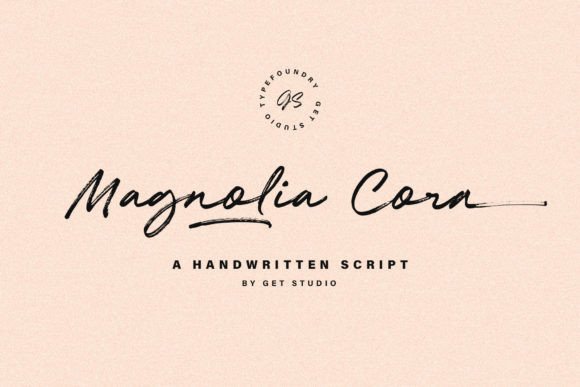
When you look closely at Magnolia Cora, you notice it lacks the sterile perfection of vector-drawn curves. This is because the glyphs were crafted using real brush textures. The result is a handwritten font that captures the slight imperfections of ink on paper. Those irregular edges give the typeface its "casual and strong character." It feels organic without looking sloppy. In the world of modern typography, this kind of authenticity is crucial. Audiences are increasingly savvy; they can spot a generic font from a mile away. Using a typeface with this level of detail suggests that your brand values craftsmanship.
The visual personality of this typeface sits comfortably between a relaxed greeting and a confident statement. It avoids the overly flourished loops that can make some script fonts difficult to read. Instead, it focuses on flow and rhythm. This makes Magnolia Cora an excellent candidate for display font usage, where the headline needs to grab attention immediately. However, its strength does not mean it is aggressive. The brush textures soften the delivery, making it approachable for a wide range of demographics, from young adults to established professionals.
Practical Applications: From Screen to Print
A font is only as good as its application. Magnolia Cora shines brightest in projects where personality drives the message. For logo design, this typeface provides an instant foundation for a brand’s voice. It works exceptionally well for boutique businesses, lifestyle brands, and creative agencies that want to appear friendly yet competent. Imagine a coffee shop menu or a florist’s branding kit; the brush texture fits the aesthetic perfectly, grounding the design in reality.
When it comes to social media graphics, the font’s bold character ensures readability even on small mobile screens. The "strong" aspect of its design prevents it from getting lost against busy background images. This is vital for content creators and influencers who rely on high engagement rates. Whether you are creating Instagram stories, Pinterest pins, or Facebook ads, this creative font helps your text pop without needing heavy drop shadows or outlines.
Beyond digital, consider the tactile applications. In packaging design, the texture of Magnolia Cora can mimic the look of a hand-stamped label or a personal note from the maker. This is a powerful psychological trigger for consumers who prefer artisanal goods over mass-produced items. Similarly, for invitation design—weddings, parties, or corporate events—the font offers a bespoke feel that formal serifs often lack. It suggests that the event will be personal and well-curated.
Mastering Font Pairings and Hierarchy
One of the most practical pieces of advice I can offer regarding Magnolia Cora is how to pair it. As noted in its description, this typeface is "suitable to be combined with sans-serif to get an extraordinary result." This is not just a suggestion; it is a design rule of thumb for font pairing. When you combine a textured, organic script with a clean, geometric sans serif font, you create a dynamic contrast. The handwritten element provides emotion, while the sans-serif provides clarity.
For example, if you are working on editorial design or a layout for a blog post, use Magnolia Cora for pull quotes or section headers. Then, set your body copy in a neutral sans-serif like Montserrat or Lato. This establishes a clear visual hierarchy. The reader’s eye is drawn to the expressive header, and then they transition easily to the readable body text. This approach maintains professionalism while keeping the layout from feeling dry or corporate.
When testing this font pairing, pay attention to weight distribution. Because Magnolia Cora has a distinct texture, you want to ensure your secondary font doesn't compete for attention. A medium-weight sans-serif usually works best. This balance is key in brand identity systems. You want your brand assets to look like they belong together, not like they were pulled from different universes.
Evaluating Fit and Commercial Use
Before integrating any design assets into a client project, you must evaluate the fit. Ask yourself: Does the personality of Magnolia Cora align with the brand’s voice? If you are designing for a law firm or a medical institution, a handwritten font might undermine trust. However, for a yoga studio, a bakery, or a travel blog, this font builds trust by showing humanity.
Readability is another critical checkpoint. While Magnolia Cora is designed for clarity, all script fonts have limits. Avoid using it for long paragraphs of small text. It is a display font at heart. Use it for impact, not for instruction manuals. Always print out a test sheet or view it on multiple devices to ensure the brush textures don't become muddy at lower resolutions.
Finally, consider the licensing. As a commercial font, you need to ensure your license covers the specific usage required. If you are designing a logo for a client, that is usually a different license tier than creating a t-shirt design for print-on-demand. Check the EULA (End User License Agreement) provided with the Magnolia Cora download. Respecting these terms protects both you and the foundry that created the work.
Final Thoughts on Creative Typography
Typography is the voice of design. Choosing Magnolia Cora means choosing a voice that is confident, textured, and unmistakably human. It is a versatile asset that can elevate web design, print materials, and merchandise alike. By understanding its strengths—its brush-based construction and strong presence—and pairing it wisely with clean sans-serifs, you can create designs that resonate deeply with your audience. It proves that in a digital world, there is still immense value in the look and feel of the handmade.