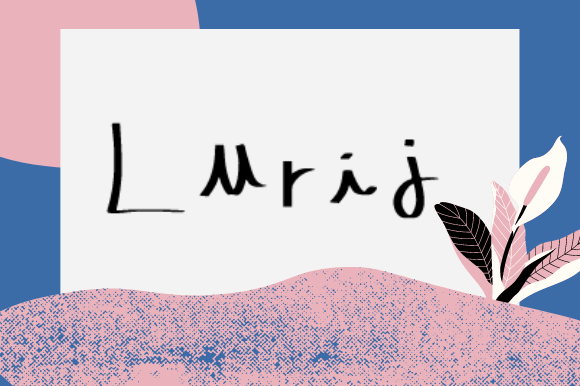
Lurij: The Handwritten Font That Feels Like a Friendly Conversation
There’s a particular kind of warmth that only a handwritten element can bring to a design. It’s the human touch, the slight imperfection, the feeling that a real person was involved in the creation. In a digital landscape often dominated by clean, geometric sans serifs and authoritative serifs, this warmth can be a powerful differentiator. That’s precisely the space where Lurij operates. It’s a classic and simple handwritten font that doesn’t try to be overly ornate or complex. Instead, it offers a friendly, approachable personality through its unique characters, making it a surprisingly versatile tool for a wide range of creative projects.
Think of Lurij not as a replacement for your primary body text font, but as a specialty tool in your design toolkit. Its strength lies in its ability to inject personality and authenticity where it’s needed most. The letterforms have a natural, slightly uneven flow that mimics the motion of a pen on paper. This isn’t the chaotic scrawl of a hurried note; it’s the intentional, legible script of a thoughtful message. The characters are designed with enough consistency to maintain readability, but with just enough variation to avoid looking digitally sterile. This balance is key to its appeal—it feels personal without sacrificing clarity.
Where Lurij Truly Shines: From Logos to Packaging
The applications for a creative font like Lurij are broad, but its impact is most felt in projects where connection and approachability are goals. For logo design, particularly for small businesses, artisanal brands, cafes, craft studios, or personal blogs, Lurij can be an excellent choice. It immediately signals a hands-on, personal brand identity. Imagine it on a bakery’s logo or a handmade jewelry shop’s tagline—it conveys care and craftsmanship instantly. As a display font, it’s perfect for headlines on posters, magazine covers, or book titles where you want to grab attention with a human, relatable tone.
In the realm of packaging design, this handwritten font can elevate a product’s perceived value by adding a layer of artisanal quality. It works beautifully for labels, ingredient lists, or thank-you notes on product boxes. For editorial design, use it sparingly for pull quotes, section headers, or annotations to break the monotony of a standard serif font or sans serif font body. It creates a moment of pause and engagement for the reader. In web design and social media graphics, Lurij can make call-to-action buttons, testimonial highlights, or Instagram story text feel more conversational and less corporate, boosting audience engagement.
Practical Guidance: Choosing and Pairing Lurij
Selecting the right font for a project is a practical decision, not just an aesthetic one. When considering Lurij, start by evaluating your project’s core message. If you’re aiming for professionalism and authority, a traditional serif font or a strong sans serif font might be more appropriate for primary use. But if your goal is to convey friendliness, creativity, or a personal touch, Lurij is a strong candidate. Always test it in context. Mock up a logo, a social media post, or a product label to see how its personality interacts with your other design elements and color palette.
Font pairing is where Lurij can truly come to life. Because it’s a script font with a distinct character, it pairs best with simpler, more neutral typefaces. A classic combination is to use Lurij for headlines or key phrases and pair it with a clean, readable sans serif font like Open Sans, Lato, or Montserrat for body text. This contrast ensures the handwritten element stands out without overwhelming the design or hurting readability. Avoid pairing it with another highly stylized or decorative font, as this can create visual chaos. The goal is harmony, not competition.
Before committing, review the full character set and any included styles of the premium font. Does it include the glyphs you need, like specific punctuation or accented characters? Check the licensing—most commercial fonts like Lurij require a license for commercial use, whether it’s for a client project or your own business. Understand the terms to ensure you’re compliant. Finally, always prioritize readability. While Lurij is designed to be legible, very small sizes or low-contrast color combinations can still make it difficult to read. Use it for short, impactful text rather than lengthy paragraphs.
Beyond Aesthetics: The Strategic Value of a Friendly Typeface
Choosing a typeface like Lurij is more than a stylistic preference; it’s a strategic decision that influences brand perception. In a crowded market, a handwritten font can be a key differentiator. It helps a brand feel more human, relatable, and trustworthy. This can be particularly powerful for entrepreneurs, bloggers, and content creators looking to build a personal brand. The font becomes part of your visual voice, contributing to consistency across your website, social media, and printed materials. When your audience sees that familiar, friendly script, they instantly recognize your brand, which builds recognition and loyalty over time.
For marketers and publishers, using a font like Lurij in specific contexts can increase engagement. A handwritten-style headline on an email subject line or a Facebook ad can feel more personal and less like a broadcast, potentially improving open rates and click-throughs. It’s about using modern typography principles to guide emotional response. While it’s not a one-size-fits-all solution, when used thoughtfully, Lurij becomes more than just a set of letters on a screen—it becomes a bridge between your project and your audience, making your message feel genuinely human.