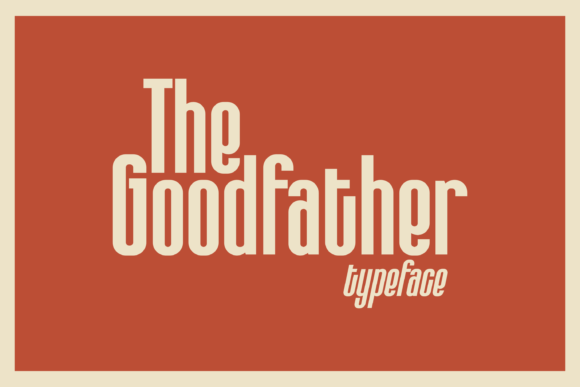
The Goodfather: A Font with Vintage Soul and Modern Punch
When you're building a brand or designing a piece of marketing, the typeface you choose carries weight. It communicates tone, sets expectations, and influences how your message lands. The Goodfather is a condensed sans serif that understands this responsibility. It blends a vintage aesthetic with contemporary clarity, creating a font that feels both familiar and fresh. This isn't just another display font; it's a design asset built for impact and legibility, ready to inject personality into a wide range of projects.
Understanding the Visual Character of The Goodfather
At its core, The Goodfather is a study in controlled boldness. Its condensed letterforms save horizontal space while commanding attention vertically. The sans serif construction keeps things clean and modern, but the subtle design cues—perhaps a slightly rounded corner here, a confident weight there—evoke a retro charm. Think of mid-century advertising or vintage poster typography, but refined for today's screens and print. The result is a typeface with a strong, dramatic voice that remains surprisingly easy to read, even at smaller sizes or from a distance. This balance between personality and practicality is what makes it a standout choice for designers seeking a premium font with real-world versatility.
Where This Typeface Truly Shines
The real test of any creative font is its application. The Goodfather excels in scenarios where you need to make a clear, bold statement without sacrificing readability. Its condensed nature makes it particularly effective in space-constrained environments.
- Branding and Logo Design: For logos, especially for brands aiming for a timeless, confident, or slightly nostalgic identity, this font delivers. It works beautifully for craft breweries, boutique barbershops, artisan food brands, or any business that values heritage and craftsmanship. The strong visual hierarchy it creates helps a logo stand out.
- Editorial and Print Design: In publishing, The Goodfather is a powerful tool for headlines, chapter titles, and pull quotes in magazines, books, and zines. It adds a layer of visual interest to book covers and can give stationery or invitation suites a distinct, stylish edge. Its legibility makes it suitable for shorter blocks of text in posters or flyers where impact is key.
- Digital and Social Media: Online, clarity is king. This sans serif font performs exceptionally well for YouTube video titles, channel banners, and social media graphics where text needs to be instantly readable on a busy feed. It's equally effective for website hero sections, app interfaces, and email headers that need to grab attention quickly.
- Packaging and Product Labels: On a crowded shelf, packaging design needs to communicate instantly. The Goodfather can create a strong focal point for product names on labels, boxes, and bags. Its vintage-modern blend works well for products that tell a story, from gourmet foods to cosmetics to craft goods.
- Personal and Commercial Projects: Beyond professional use, this font is a fantastic resource for crafters and hobbyists. Use it for custom stickers, price tags, quote prints, or DIY projects. Its straightforward style makes it accessible, while its character ensures your creations don't look generic.
Making Smart Design Choices with The Goodfather
Choosing the right font involves more than just liking how it looks in isolation. It's about fit, function, and consistency. Here’s how to approach integrating The Goodfather into your work effectively.
Evaluating Project Fit: Start by defining your project's core message and audience. Is it playful, serious, luxurious, or approachable? The Goodfather leans toward confident, timeless, and bold. If your brand identity or project goal aligns with these qualities, it's a strong candidate. For a softer, more personal touch, you might pair it with a script font or handwritten font for secondary text.
Mastering Font Pairing: A display font like this often works best when paired with a more neutral typeface for body copy. Consider pairing it with a clean, geometric sans serif font or a classic, readable serif font. The contrast creates visual hierarchy and ensures your design is both dynamic and easy to digest. For example, use The Goodfather for a headline and a simple sans serif for paragraph text on a website or brochure.
Reviewing Included Styles and Licensing: A quality commercial font will come with multiple weights or styles (like Regular, Bold, Italic). Check what's included to ensure you have the flexibility needed for your project's visual hierarchy. Crucially, always verify the license. For any commercial use—from client work to selling products—ensure you have the appropriate commercial font license. This protects you legally and supports the font designers who create these valuable design assets.
Testing for Readability: Always test your chosen typeface in context. Set a headline with The Goodfather and view it at the intended size, whether on a mobile screen or a printed poster. Check its readability in different colors and against various backgrounds. Its condensed form is generally legible, but testing is non-negotiable for professional results.
Ultimately, The Goodfather is more than just a typeface; it's a versatile tool for modern typography. It offers a bridge between the enduring appeal of vintage design and the clean demands of contemporary communication. By understanding its personality and applying it thoughtfully, you can use it to strengthen your brand identity, elevate your designs, and connect with your audience in a memorable way.