Straight: A Modern Classic for Timeless Design
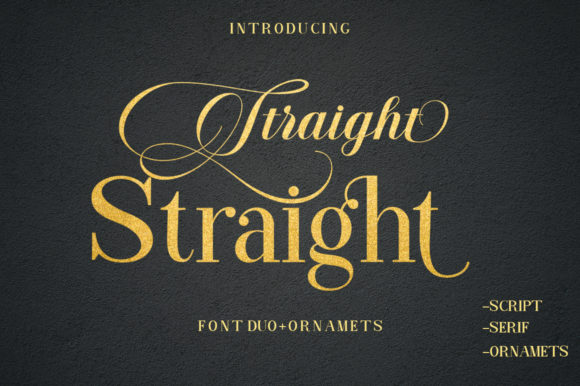
In a world saturated with fleeting design trends, there's a profound value in a typeface that feels both contemporary and enduring. Straight, a thoughtfully crafted duo font pairing, achieves this balance with quiet confidence. It combines the clean precision of a serif font with the fluid elegance of a script, creating a versatile tool that doesn't just sit on a page—it communicates. This isn't about loud declarations; it's about nuanced expression. The serif component offers structure and readability, while the script introduces a personal, human touch. Together, they form a premium font system that adapts to your creative voice rather than imposing its own.
Anatomy of Elegance: Understanding the Straight Typeface
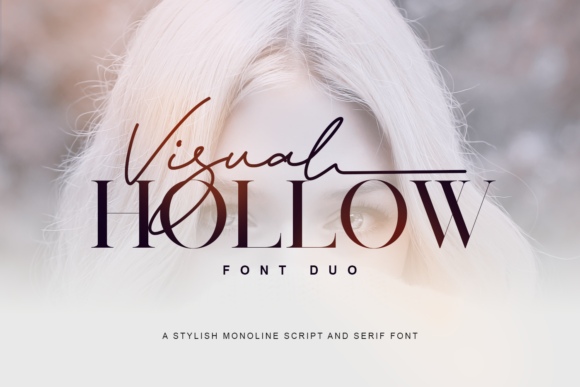
At its core, Straight is defined by its duality. The serif member of the family features gentle, refined strokes and subtle bracketing. It carries the weight of tradition but with a softened, modern sensibility—think less of a dense academic text and more of a beautifully set novel or a high-end lifestyle magazine. The letterforms are open and airy, ensuring excellent legibility even at smaller sizes, a crucial trait for body copy in editorial design or lengthy web articles. The serifs themselves are crisp but not overly decorative, guiding the eye smoothly along lines of text.
The script counterpart is where the personality truly shines. It’s a connected, flowing style with natural, calligraphic proportions. The strokes vary delicately in weight, mimicking the pressure of a nib on paper. This isn't a chaotic handwritten font; it's a disciplined, polished script that maintains readability. The connections between letters feel organic, avoiding the stiffness of some formal scripts. This combination allows Straight to speak in two voices: one of reliable information and one of heartfelt invitation. It’s a creative font that understands context.
Where Straight Truly Comes Alive: Practical Applications
The real test of any typeface is how it performs in the wild. Straight’s versatility makes it a strong contender for a wide array of projects, each benefiting from its unique blend of qualities.
For brand identity work, this duo is a powerhouse. Imagine a boutique hotel’s branding: the serif style used for the name on the signage and menus conveys establishment and quality, while the script is used for the tagline on the website or for guest welcome notes, adding a layer of warmth and personal service. In logo design, the two styles can be combined or used separately to create a mark that is both professional and approachable. A small-batch cosmetics brand could use the script for its product names to evoke artisanal care, and the serif for ingredient lists and website copy to ensure clarity and trust.
In packaging design, Straight helps products stand out on the shelf. The serif can carry the essential product information clearly, while the script can highlight a key ingredient or a brand story snippet, creating a visual hierarchy that draws the consumer in. For marketing materials—think brochures, lookbooks, or social media graphics—the font pairing allows for dynamic layouts. A promotional post might use the script for a compelling headline quote, supported by the serif for the detailed offer below. This creates focal points and guides the viewer’s journey through the information.
Digital spaces are equally receptive. In web design, the serif’s excellent screen readability makes it perfect for blog posts, about pages, and service descriptions. The script can be used sparingly for pull quotes, author names, or call-to-action buttons to add a touch of personality without sacrificing usability. For social media graphics, Straight provides consistency. A series of Instagram posts can maintain a cohesive look by using the serif for most text and the script for key phrases, making the content instantly recognizable as part of a unified campaign.
Making It Work for You: A Designer's Practical Guide
Adopting a new typeface is a strategic decision. Here’s how to integrate Straight effectively into your workflow. First, evaluate the project fit. Straight excels in contexts that value both professionalism and personal connection. It’s ideal for lifestyle brands, creative agencies, publishers, and any business where storytelling is key. It might feel overly ornate for highly technical or minimalist industrial brands.
Next, test font pairings. While Straight is a complete system, it often benefits from a supporting cast. Pair the serif with a clean, geometric sans serif font for UI elements or subheadings to create a more contemporary feel. The script can be used as a highlight accent alongside these neutral fonts. Always test pairings in context—see how they interact in a paragraph, on a button, and at various sizes.
Review the included styles thoroughly. A quality commercial font like Straight will likely include multiple weights (Light, Regular, Bold) and alternates. The script may have different versions of key letters (like 'b' or 'o') or stylistic sets. Understanding these options allows you to fine-tune the typography for perfect harmony. Pay special attention to readability considerations. While the serif is designed for long-form reading, always test it with your actual content. For the script, reserve its use for larger sizes—headlines, logos, or short phrases—where its charm is fully visible without straining the eyes.
Finally, understand the commercial licensing. If you’re using Straight for client work, merchandise, or any project where the end product is sold, you need the appropriate license. Reputable font foundries provide clear licensing terms for different use cases (desktop, web, app, e-pub). This ensures you’re legally covered and supports the designers who created the asset. Treating fonts as design assets with proper licensing is a mark of professional practice.
Straight offers a rare combination: it feels special without being impractical. It’s a typeface that respects the content it carries while gently enhancing its emotional resonance. By understanding its dual nature and applying it thoughtfully, you can leverage its modern typography to elevate your projects, creating work that feels both polished and genuinely human. Add it to your toolkit, and watch your ideas gain a new layer of refined expression.