Mango Farmhouse: Your New Go-To for Lively, Breezy Designs
There’s a particular feeling you get when a typeface just clicks. It’s not about technical perfection or historical significance. It’s about personality. It’s about that instant sense of “yes, this is the one.” For a growing number of designers and creators, Mango Farmhouse is that typeface. It’s a light, fun, and bouncy font that carries the effortless charm of a sunny afternoon, making it a standout choice for projects that need a dose of warmth and approachability.
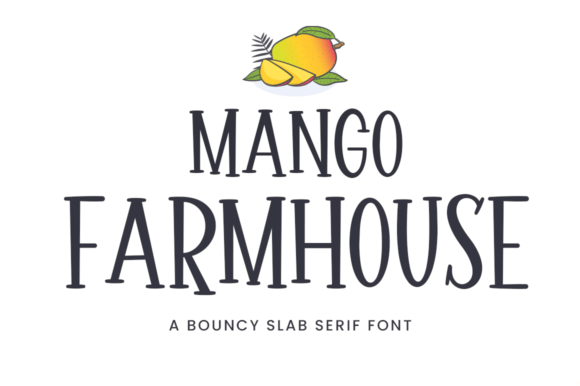
At its core, Mango Farmhouse is a display font with a distinctly modern, handwritten personality. But don’t mistake “handwritten” for messy. This typeface is crafted with a thoughtful balance. The letterforms have a gentle, flowing rhythm, with soft curves and just enough bounce to feel energetic without becoming chaotic. It avoids the overly polished look of some script fonts, instead embracing a slightly organic, textured quality that feels authentic and human. Think of it as the typographic equivalent of a well-worn linen shirt—casual, comfortable, but inherently stylish. Its visual weight is generally light, making it an excellent partner for cleaner sans serif fonts or even a sturdy, traditional serif font for contrast.
Where Does Mango Farmhouse Truly Shine?
The real magic of a creative font like Mango Farmhouse is its versatility in application. It’s not a one-trick pony. Its friendly demeanor makes it a natural fit for brand identity work, especially for businesses that want to project approachability and creativity. Imagine it on the logo and packaging for a local bakery, a boutique florist, or a handmade soap company. It instantly communicates care, craftsmanship, and a personal touch. For logo design, it works beautifully as a primary wordmark or as a complementary accent element paired with a simpler typeface.
Beyond logos, Mango Farmhouse is a powerhouse for marketing and social media graphics. Its bouncy rhythm grabs attention in Instagram stories, Facebook ads, and Pinterest pins. It’s perfect for creating eye-catching quotes, sale announcements, or event promotions that feel engaging rather than aggressive. In the realm of editorial design, think of magazine headlines, blog post titles, or chapter openers in a cookbook. It injects personality into layouts that might otherwise feel static. For packaging design, it can add a delightful, artisanal quality to product labels, thank-you cards, and branded tissue paper.
For entrepreneurs and small business owners, this premium font is a valuable design asset. It allows you to create cohesive, professional-looking materials in-house—from business cards and letterheads to email headers and website banners. Crafters and hobbyists will find it equally useful for personal projects like custom invitations, greeting cards, scrapbooking, and DIY labels. The key is that Mango Farmhouse doesn’t just decorate; it communicates. It helps set a specific tone: joyful, relaxed, and genuine.
Practical Guidance for Using This Font Effectively
Choosing the right font is only half the battle. Using it well is what elevates a design. When you evaluate Mango Farmhouse for a project, start by considering the overall brand personality or message. Is the goal to feel welcoming, playful, and organic? If so, it’s likely a strong candidate. It’s less suited for contexts requiring severe formality or high-density technical information.
One of the most important skills is mastering font pairing. Because Mango Farmhouse has such a distinct personality, it benefits from a calm, stable partner. A clean sans serif font like Montserrat or Open Sans for body text creates a harmonious balance. For a more classic feel, pairing it with a readable serif font like Lora or Merriweather can work beautifully. The goal is to let Mango Farmhouse be the star for headlines and accents, while its partner handles the heavy lifting of paragraphs with excellent readability.
Always test the font in context. Look at it at the actual size it will be used. Check the spacing between letters (kerning) and lines (leading). Mango Farmhouse’s bouncy baseline can sometimes create interesting spacing challenges, so a quick visual review is essential. Most commercial font licenses, including for Mango Farmhouse, will detail the permitted uses. Typically, a premium font license covers digital and print use across your projects, but always confirm the specifics for large-scale commercial applications like product merchandise or broadcast media.
Finally, consider the included styles. Does the family come with alternates, ligatures, or multiple weights? These extras can add valuable nuance and prevent your designs from looking repetitive. A good display font often includes stylistic sets that allow you to customize the look of certain letter combinations, further enhancing its handcrafted feel.
A Final Thought on Personality and Professionalism
In a world saturated with generic visuals, a font with genuine character is a strategic tool. Mango Farmhouse isn’t just about looking pretty; it’s about building a connection. It influences brand perception by making a business feel more human and relatable. It enhances visual hierarchy by drawing the eye to key messages. And it supports brand consistency when used thoughtfully across all touchpoints, from a website’s web design elements to printed flyers.
Whether you’re a seasoned designer looking for a fresh addition to your toolkit, a marketer crafting the next campaign, or a small business owner building your brand from the ground up, Mango Farmhouse offers a rare combination: it’s a creative font with real-world utility. It’s the kind of typeface that doesn’t just sit in a folder; it gets used, over and over again, because it reliably brings a project to life. Give it a spin in your next design—you might just fall in love with the energy it brings.