Honey Story: The Luxury Font Duo for Timeless Branding
There’s a quiet confidence that comes with choosing the right typeface. It’s not about shouting the loudest; it’s about speaking with clarity, elegance, and a distinct personality that resonates. In the crowded landscape of design assets, finding a premium font that feels both versatile and genuinely special can transform a project from competent to captivating. This is the space Honey Story occupies. It’s more than a collection of letters; it’s a carefully crafted tool designed to inject a sense of luxury, warmth, and sophistication into your creative work.
Understanding the Dual Personality of Honey Story
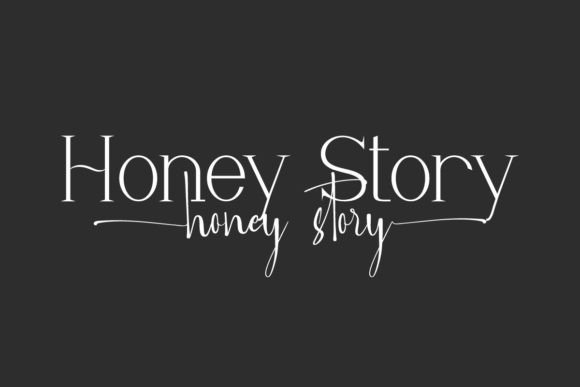
At its core, Honey Story is a font duo, offering two complementary styles that share a cohesive aesthetic. The first is a refined serif display typeface. Imagine the classic elegance of traditional serifs, but with softer, more contemporary curves and a generous x-height that enhances legibility. This isn't a stark, corporate serif. It carries a subtle warmth, making it feel approachable yet undeniably upscale. The second style is a fluid signature script. This isn’t a casual, messy handwritten font. It’s an intentional, flowing script with beautiful ligatures and alternate characters that mimic the rhythm of natural, skilled penmanship. The genius of the duo lies in their shared DNA. They have a similar style and weight, meaning they harmonize instantly. You can pair them on a single layout—the serif for a strong headline, the script for an elegant accent—without worrying about visual dissonance.
The true practical power for designers and creators lies in its technical specification: Honey Story is PUA encoded. For those who have wrestled with accessing special characters, this is a welcome feature. It means every single glyph, swash, and ligature is accessible directly through your character map or design software, regardless of its advanced OpenType features. This eliminates the frustration of finding the perfect stylistic alternate only to discover it’s locked away. You have the full creative palette at your fingertips, allowing for nuanced customization in logo design, packaging, or any project where unique typographic details matter.
Where This Creative Font Truly Shines
The versatility of a well-designed typeface is measured by its range. Honey Story finds its sweet spot in projects that aim to communicate quality, care, and a personal touch. Its applications span across editorial design, where the serif style can set a sophisticated tone for magazine features or book titles, while the script adds a handwritten note for pull quotes or author attributions. In packaging design, especially for artisanal goods, cosmetics, gourmet foods, or boutique products, this font duo instantly communicates a story of craftsmanship and premium value. The script feels like a personal signature on the product, while the serif provides clear, elegant information.
For brand identity projects, Honey Story offers a distinct advantage. It allows entrepreneurs and small business owners to build a visual language that feels both established and intimate. Think of a wedding stationery suite where the script handles the names and romantic phrases, and the serif carries the formal details. Or consider a high-end bakery’s logo design and menu—the script suggests homemade warmth, while the serif ensures the menu items are readable and organized. It’s equally effective for social media graphics that need to stop the scroll with an elegant quote or a stylish announcement, and for web design elements like hero headers or call-to-action buttons that require a touch of personality beyond standard web fonts.
Making Smart Decisions with a Modern Typography Asset
Integrating a new design asset like Honey Story into your workflow should be a deliberate choice. Start by evaluating the project’s core message. Is it aiming for timeless elegance, artisanal charm, or romantic sophistication? If so, this font is likely a strong candidate. Always test it in context. Create a mockup of your intended use—a logo, a website header, a product label—and view it at different sizes. The serif display style should remain legible and impactful at both large and small scales. The script, while beautiful, is best used for accents, short phrases, and display text rather than body copy. Its strength is in its expressive form, not in paragraph readability.
Consider font pairing beyond the duo itself. For body text or supporting information, Honey Story’s serif pairs wonderfully with a clean, neutral sans serif font. This creates a balanced visual hierarchy, where the display font commands attention and the sans serif provides easy-to-read supporting text. This combination is a staple in modern typography for creating professional, layered designs. When you download the font, take time to review all the included styles, ligatures, and alternates. Experiment with the stylistic sets in software like Adobe Illustrator or Photoshop to discover unique letter combinations that can make a headline or logo truly one-of-a-kind.
Finally, understand the licensing. As a commercial font, Honey Story comes with terms that typically allow for use in client projects, digital products, and physical goods for sale. It’s crucial to review the specific license you purchase to ensure it covers your intended use, whether it’s for a single client, multiple projects, or for creating items to sell on marketplaces like Etsy. Investing in a quality font is an investment in your project’s professionalism. Honey Story, with its dual styles, accessible glyphs, and elegant character, provides a robust foundation for creating work that doesn’t just look good—it feels considered, cohesive, and genuinely premium.