Hardly: The Gothic-Inspired Font for Vintage Sophistication
Finding a typeface that bridges historical weight with modern clarity is a rare discovery. Hardly is exactly that—a premium font that captures the dramatic flair of blackletter while stripping away the illegibility often associated with medieval scripts. It is designed for creatives who need a display font that commands attention without sacrificing the clean lines required in contemporary web design and print layouts. Whether you are building a brand identity from scratch or refreshing editorial design, Hardly offers a distinct voice that feels both familiar and entirely new.
Understanding the Visual Character of Hardly
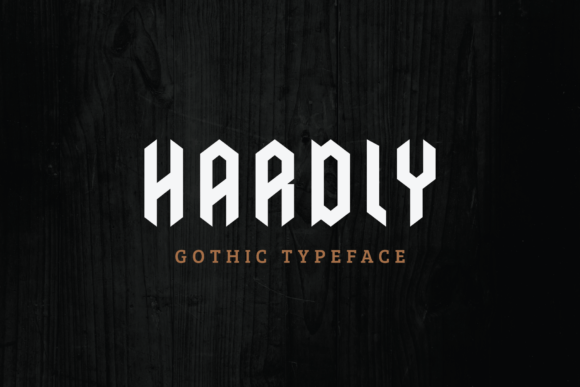
When you look at Hardly, you see a sophisticated tension between the past and the present. The typeface draws heavily from blackletter traditions, visible in its sharp angles and condensed structure, but it modernizes these elements significantly. Unlike the dense, almost illegible Fraktur styles of the 15th century, Hardly introduces generous spacing and simplified strokes. This creates a personality that is edgy and vintage, yet surprisingly clean. It avoids the overly ornate "Old English" look that can feel costume-like, opting instead for a stylized elegance that fits modern typography standards.
The appeal of Hardly lies in its versatility as a creative font. It carries the visual weight of a serif font but possesses the structural rhythm often found in sans serif fonts. This unique hybrid nature allows it to anchor a design without overwhelming the supporting elements. It is a typeface that speaks of craftsmanship and tradition, making it ideal for projects that need to convey authority, history, or a distinct artistic edge.
Where Hardly Shines: Practical Applications
The true value of a font is measured by its utility across different mediums. Hardly is not a body text workhorse; it is a specialist. Its primary strength lies in logo design and brand identity systems. For businesses in the fashion, music, or artisanal food sectors, Hardly provides an instant visual shorthand for quality and style. Imagine a coffee roaster’s packaging or a high-end barbershop’s signage—Hardly fits these environments naturally, adding a layer of vintage sophistication that script fonts or standard sans serif fonts often miss.
Beyond logos, consider its impact on packaging design. On a shelf crowded with generic typography, a product featuring Hardly stands out. It suggests a story behind the brand. Similarly, in the realm of social media graphics, where attention spans are short, the distinct silhouette of Hardly captures the eye instantly. It is excellent for quotes, short titles, and headers where you need maximum impact in minimal space.
Here are specific areas where this commercial font excels:
- T-Shirt and Apparel Design: The vintage aesthetic translates perfectly to fabric, giving garments a trendy, streetwear-ready look.
- Editorial and Publishing: Use it for magazine covers, chapter titles, or pull quotes to add dramatic flair to your layout.
- Event Branding: Perfect for wedding invitations (especially gothic or vintage themes), music festival posters, and art exhibition headers.
- Web Headers: While not for body copy, using Hardly for H1 or H2 tags can immediately establish the mood of a webpage.
Influencing Brand Perception and Visual Hierarchy
Typography does more than spell out words; it dictates how an audience feels about the content. Choosing Hardly for your project signals a specific kind of brand perception. It tells your audience that you value heritage and aesthetics. In modern typography, using a blackletter-inspired font like Hardly suggests confidence. It creates a strong visual hierarchy because its distinct structure naturally draws the eye to the top of the page.
However, readability is a crucial consideration. As a display font, Hardly is optimized for short bursts of text. Using it for long paragraphs would strain the reader's eye, negating its stylistic benefits. The key is balance. Use Hardly to establish the headline and the mood, then pair it with a highly legible typeface for the body text. This contrast actually improves the overall readability of your design by clearly separating the "shout" from the "conversation."
Pairing and Integration Strategy
Integrating a strong stylistic font like Hardly requires a thoughtful approach to font pairing. Because Hardly has such a strong personality, you generally want to pair it with something neutral that doesn't compete for attention. A geometric sans serif font often works best here. The clean lines of a sans serif provide a modern counterpoint to Hardly’s vintage complexity.
For example, if you are designing a poster, you might use Hardly for the main event title to capture the "vibe," but use a font like Montserrat or Helvetica for the date, time, and location details. This ensures that while the design looks cool, the necessary information remains accessible. If you are working on a brand style guide, define strict rules for where Hardly appears. Usually, it should be reserved for the logo, primary headlines, and specific call-to-action graphics.
Evaluating the Fit and Licensing
Before committing to Hardly for a large-scale project, it is wise to test how it renders in your specific environment. Web design requires checking how the font loads on mobile devices versus desktop screens. Since Hardly is a premium font, it typically comes with optimized file formats to ensure crisp rendering, but testing is always best practice.
When you download design assets like Hardly, pay close attention to the commercial licensing. If you are a freelancer creating a logo for a client, or a small business owner printing merchandise, you need to ensure the license covers commercial use. Most professional font foundries offer different tiers—ensure you select the one that matches your distribution needs, whether that is for a single desktop user, a web server, or unlimited print runs.
Final Thoughts on Using Hardly
Hardly is more than just a font; it is a design tool that bridges the gap between the raw energy of street art and the refined elegance of traditional calligraphy. It offers a solution for designers, entrepreneurs, and content creators who feel that standard script fonts are too casual and standard serifs are too corporate. By utilizing Hardly in your logo design, headers, or merchandise, you tap into a rich visual history while maintaining a sharp, modern edge. It is a versatile asset that, when used with intention, can elevate a project from standard to unforgettable.